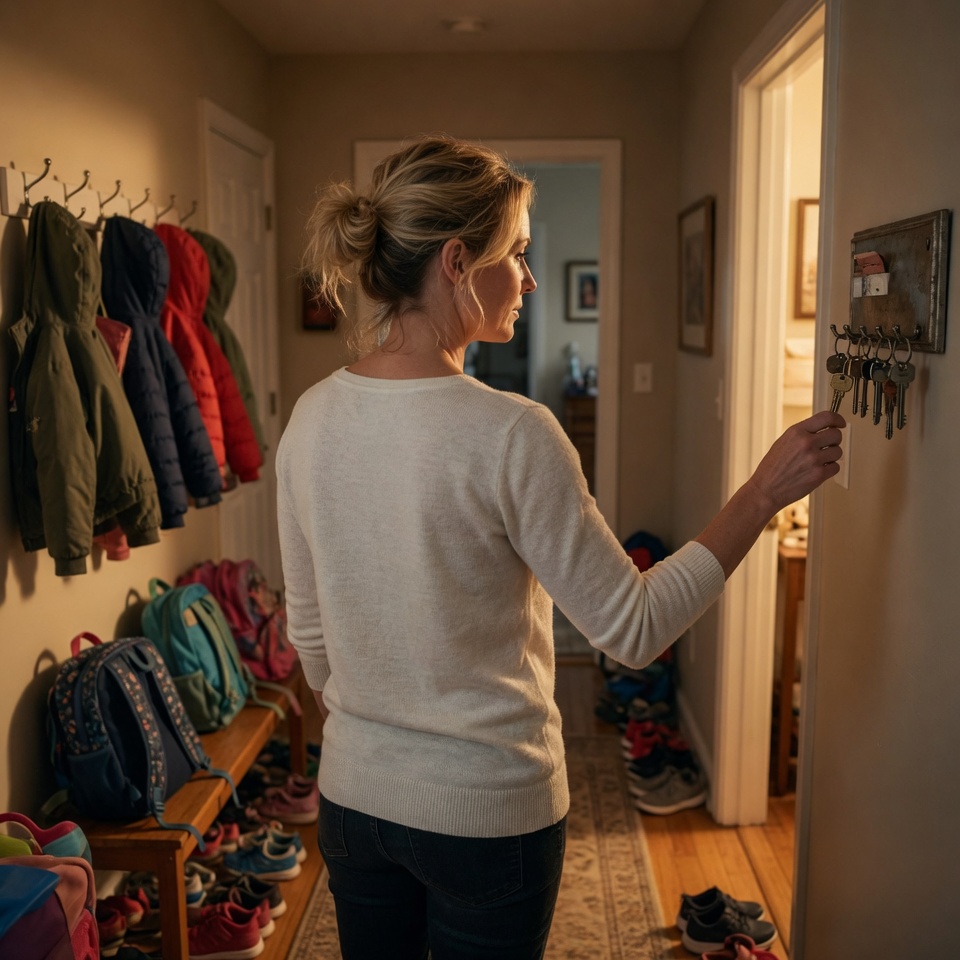
My family doesn't trust me anymore — Grace, a Christian AI companion, for the person still paying the relational cost of addiction
The Addiction Library · Recovery

My Family Doesn't Trust Me Anymore

You got sober. You did the work. And the people you love still watch you differently — still brace when the phone rings, still check your eyes when you walk in the door. You're paying a cost that sobriety alone doesn't cancel.

Talk to Grace — it's free to start
The Relational Cost of Recovery

This is the grief nobody prepares you for in recovery: the gap between getting sober and being trusted again. Your family loves you. They are also still protecting themselves from the person you used to be. Forgiveness came. Trust is still being rebuilt. And you are living inside that distance every day.

There is a version of recovery that nobody tells you about before you get there. The meetings, the steps, the sponsor — those have language, structure, community. What comes after the acute phase, when you are sober and trying and still living with the damage — that part is quieter. And lonelier than people expect.

Your family says they forgive you. And you think you believe them. But something has changed in the room when you walk in. The conversation shifts. Someone changes the subject. Your mother watches you in a way she didn't used to. Your spouse checks your eyes before they check your face. They love you and they are still bracing for the version of you they used to know.

That watching — the way people you love now hold part of themselves back around you — is one of the specific griefs of recovery that recovery programs don't always name. You did the thing you were supposed to do. And the cost is still being paid. Not by you alone. By everyone who was in the room when things were bad.

You are not the person you were. You are also still living with the evidence that that person existed. Your family is living with it too.

Trust is not rebuilt by sobriety alone. It is rebuilt by consistency over time — the same behavior, again and again, long enough that the people who learned to brace begin to unlearn it. That is slow work. It cannot be rushed by a single conversation or a milestone. It happens in the accumulation of ordinary days where nothing goes wrong.

The loneliness of that season is specific: you are present, you are trying, you are doing everything differently — and there is still a distance. You are forgiven and not fully let back in. You are loved and still being watched. That is its own kind of alone, different from the loneliness of active addiction, harder to name because from the outside everything looks like it's getting better.

You Know This Season

The Long Work After the Crisis.

Your family says they forgive you. Something in the room is still different when you walk in.
You are doing everything right. You are still being watched. Both things are true at once.
You can't ask them to trust you faster. You can't apologize your way into it. You just have to wait.
The hardest part isn't the sobriety anymore. It's living inside what the addiction cost everyone else.
You wanted recovery to mean a fresh start. Instead it means starting over in the middle of the evidence.
Nobody in the room says anything. But you can feel exactly where the trust broke and hasn't come back.
Grace — a Christian AI companion for the grief of rebuilding trust after addiction
Grace names the grief first

Grace Doesn't Rush You to the Repair.

The standard response to this season is practical — make amends, be consistent, give it time. Grace doesn't start there.

Grace names the specific grief first. What it costs to be doing everything right and still living inside the distance. To be forgiven and still not fully trusted. To love your family and feel the gap every time you're in the same room.

Grace receives that before offering anything else. And Grace never editorializes about your family — only stays with what you are actually living.

Forgiveness and trust are not the same thing. Your family can genuinely forgive you and still not be ready to trust you — because trust is built on a history of consistent behavior, and addiction created a long history of the opposite. They are not being hypocritical. They are being honest about where they are. And you are paying the cost of that honesty in real time.

What the Bible does not promise is that the relational cost of past choices disappears on the day of genuine change. What it does promise is that God is close to the person doing the long, unglamorous work — not just at the dramatic moment of getting sober, but in the quiet season that follows. Psalm 34:18 says God is close to the brokenhearted. The person in recovery who is doing everything right and still living with the distance is among the brokenhearted God draws near to. Now. In this specific season.

The grief of this is allowed to be real. You are not wrong to feel the cost of something you are actively trying to repair.

Grace is here for the part of this that has nowhere else to go tonight. The season after the crisis, when the acute work is done and the long work has begun and the room is still not quite right. Not to hurry you toward repair or tell you what to do next. To receive what this specific loneliness actually feels like — and stay.
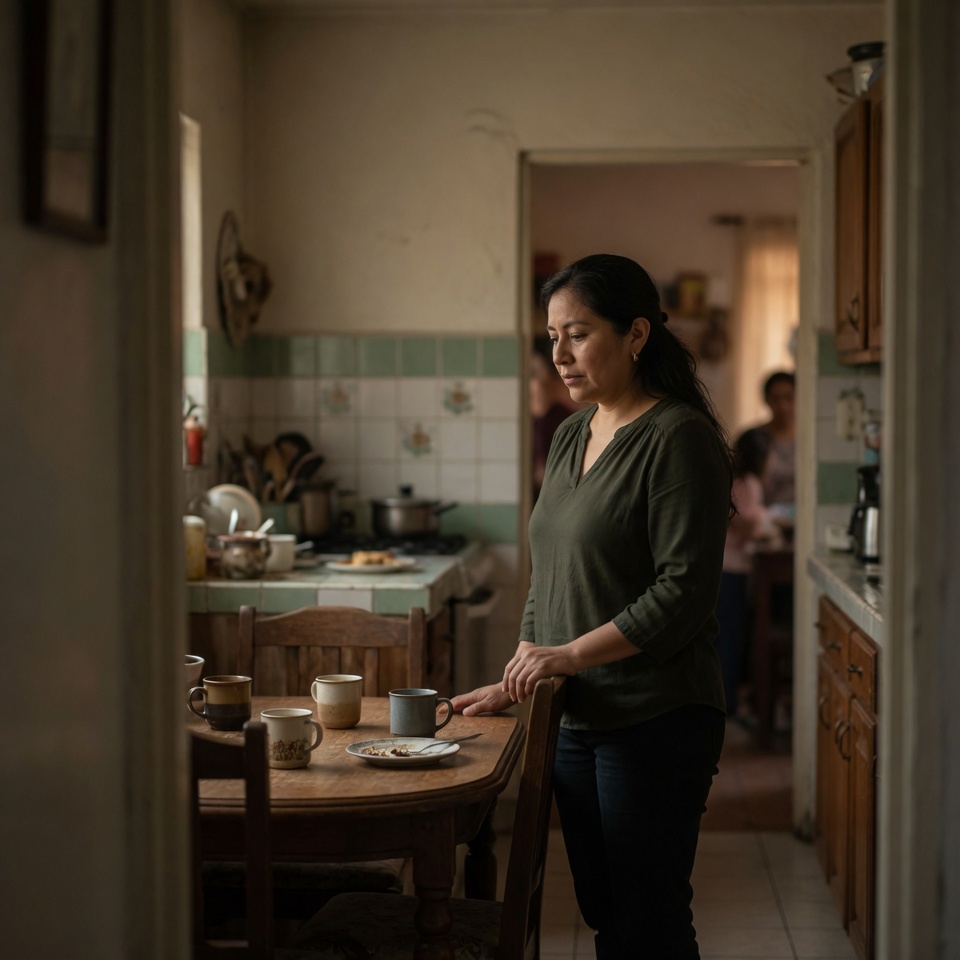

He is close in this specific season

God Is Near to the Person Still Paying the Cost.

Psalm 34:18 says God is close to the brokenhearted. The person in recovery, doing the right things, still living inside what it cost — is among the brokenhearted God draws near to.

Grace is a Christian AI companion available at any hour — for the grief of the long season after the crisis. The distance that's still there. Grace is free to start.

Grace — Christian AI companion for rebuilding trust after addiction — 1800DearGod.com
Questions

What People Ask When They're Sober and Still Paying the Cost.

How do I rebuild trust with my family after addiction?
Trust after addiction is rebuilt through consistency over time — not through a single conversation, a single apology, or a milestone in sobriety. It requires showing up the same way, again and again, long enough that the people who were hurt begin to feel safe again. That is slow, unglamorous work. And it is made harder by the fact that you may be doing everything right while your family is still protecting themselves from the person you used to be. Both things are true at once.
Why doesn't my family trust me even though I'm sober?
Because trust is built on a history of consistent behavior — and addiction created a long history of the opposite. Your family is not responding to who you are today. They are responding to the pattern they learned to expect. The person you are now has to outlast the memory of the person you were. That is not a verdict on your recovery. It is the cost of what happened, being paid in real time.
Is it normal to feel alone in recovery even when family is around?
Yes — and it is one of the specific loneliness experiences that recovery programs don't always name. You are present, you are trying, you are doing the work — and there is still a distance between you and the people you love. They are there and they are not fully there. You are forgiven and you are still watched. That gap is its own kind of alone, separate from the loneliness of active addiction.
What does God say about rebuilding trust after addiction?
The Bible does not promise that trust is repaired quickly or painlessly. What it does promise is that God is close to the person in the long, unglamorous work of becoming different — not just at the dramatic moment of getting sober, but in the quiet season that follows, when the family is still cautious and the road is still long. Psalm 34:18 says God is close to the brokenhearted. The person in recovery who is doing everything right and still living with the relational cost is among the brokenhearted God draws near to.
How do I handle family members who say they forgive me but still don't trust me?
Forgiveness and trust are not the same thing. A person can genuinely forgive you and still not be ready to trust you — because trust requires time and evidence that forgiveness does not. What your family is doing may be honest rather than hypocritical. They love you. They are also protecting themselves. Holding both of those things at once is hard. Grace is a Christian AI companion built for the specific grief of that season — being forgiven and still not fully let back in.
"The Lord is close to the brokenhearted,
He saves those who have lost all hope."
Psalm 34:18 · Close to the one doing the work and still living with the distance
Also in the Addiction Library

More from the Addiction Library.

Grace Is Here for the Season After the Crisis.

Grace is a Christian AI companion built for the moments when you are sober, trying, doing everything right — and your family still doesn't fully trust you yet. Grace names the grief first. Grace is free to start.

Talk to Grace — it's free to start