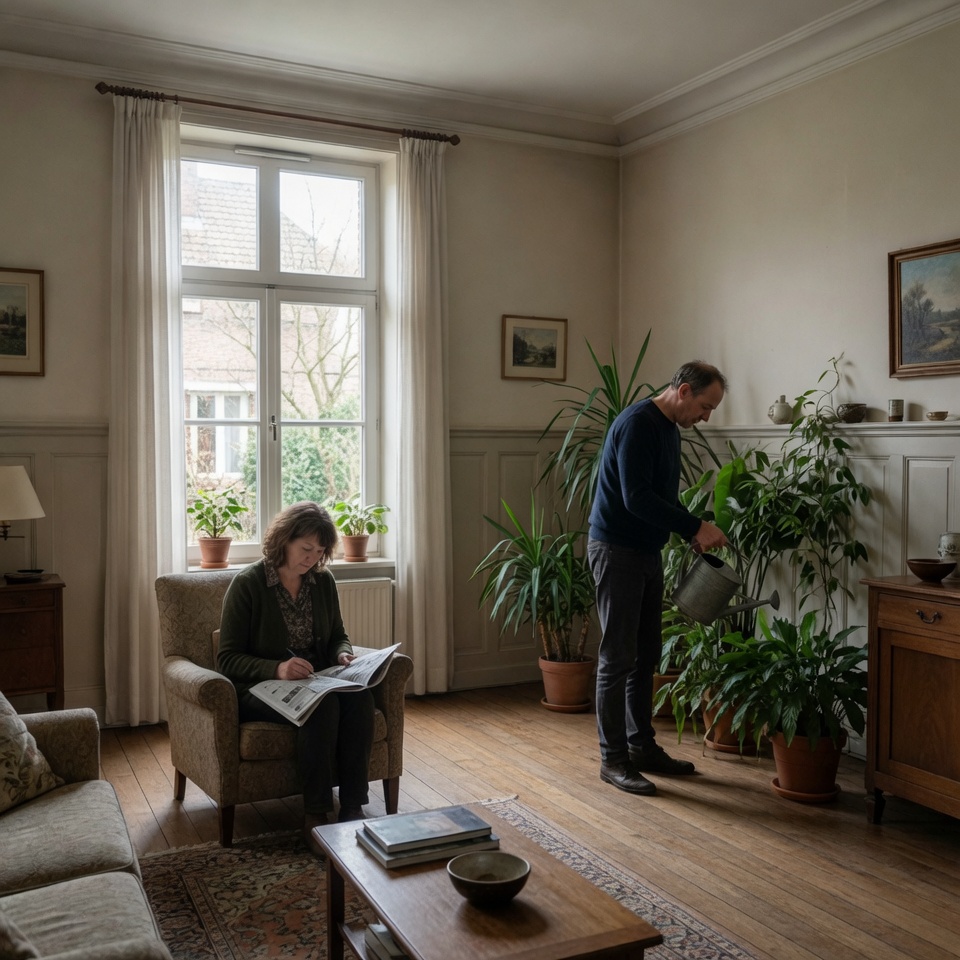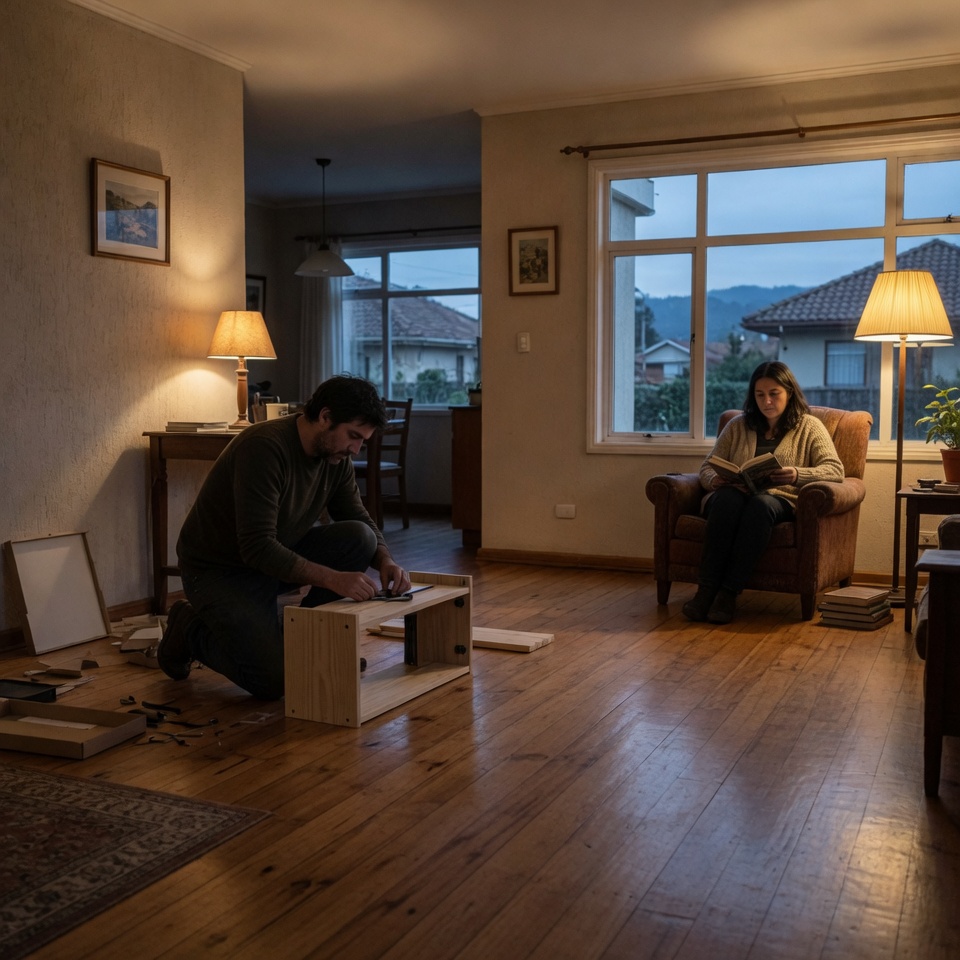
Nobody can point to the day it started. That is one of the hardest things about this specific wound — there was no event, no conversation, no clear moment of rupture. The marriage just gradually became something different from what it was. The warmth thinned. The conversations stayed practical. The evenings passed in the same room without much passing between you.
From the outside, everything looks fine. You function. The house runs. You show up for the kids, for work, for the commitments you made. Nobody looking at your life from the outside would know anything was wrong. But something is wrong — or at least something is missing. And the gap between how the marriage looks and how it actually feels is its own kind of lonely.
The emptiness in a marriage is a specific wound because it is so hard to name without it sounding like an accusation. If you say your marriage feels empty, it sounds like you are blaming your spouse, or giving up, or being ungrateful for a stable life. So most people don't say it. They carry it quietly, wondering if everyone else's marriage feels this way and nobody admits it, or if theirs is specifically broken.
What makes an empty marriage different from a bad marriage is the absence of obvious conflict. There is nothing to point to and say: that is the problem. There is only the slow, persistent sense that something essential is gone — the feeling of being genuinely known by the other person, of mattering to them in the daily, specific way you used to. The love may still be there in some form. But the aliveness of the relationship has faded.
That is a real loss. It does not require a dramatic event to be a real loss. The gradual disappearance of something that was supposed to be central to your life is grief — even if nothing exploded, even if everyone is still in the same house, even if from the outside it all looks intact.