The Grief Library · Grief
Grief When Someone Is Still Alive
For the loss without a death certificate — dementia, estrangement, addiction, a marriage that ended before the paperwork. The person is still here. The one you knew is gone.
Talk to Grace — it's free to start
There is no word for what you are. Not widowed. Not bereaved. Not orphaned. The language we have for grief assumes that the person died — and you are grieving someone who is still alive, which puts you outside every category the language has prepared for.
You are grieving your mother, who looks at you and doesn't know your name anymore. You are grieving your child, who is alive somewhere but has chosen not to be in your life. You are grieving your spouse, who is present in the house but has left in every way that mattered. You are grieving the person your parent was before the addiction took hold, before the illness changed them, before whatever happened that made them someone you no longer recognize.
The person is still here. The one you knew is gone. And there is no funeral for the version of them you lost.
Family therapist Pauline Boss coined the term "ambiguous loss" to describe exactly this — loss that has no clear resolution, no final moment, no socially supported way to grieve. It is, she argues, one of the most difficult human experiences precisely because it resists the closure that other kinds of loss eventually allow.
With death, there is a before and an after. With ambiguous loss, the before and after blur together. You are still in relationship with someone — still responsible for them, still loving them, still in their presence — while simultaneously grieving the version of them that is no longer there. You cannot fully grieve because the loss is ongoing. You cannot fully not grieve because the loss is real.
This is an impossible position. And it is one that most people navigate without any acknowledgment that what they are carrying is grief at all.
The forms this grief takes are many:
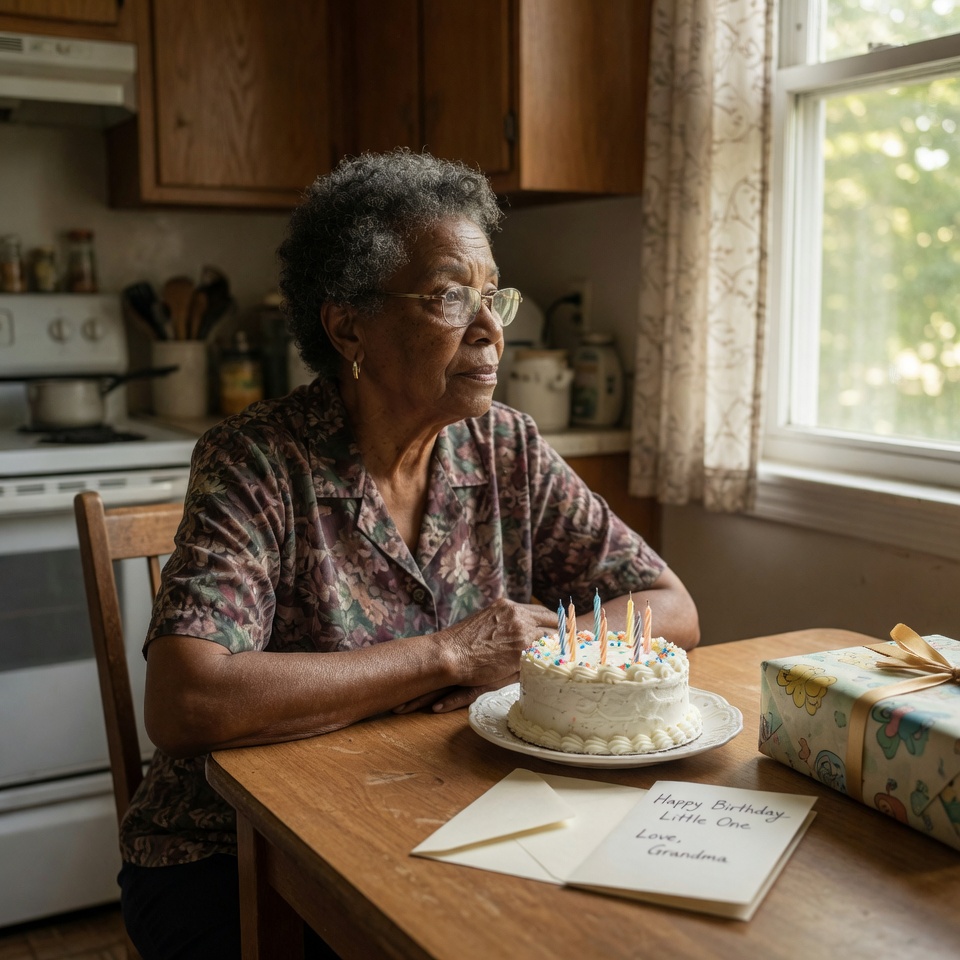
Dementia and cognitive decline. The slow disappearance of a parent or spouse into a disease that takes their memory, their personality, their recognition of you. You grieve them in pieces, often over years, while also caring for the person they are becoming. It is grief and labor at the same time, with no end in sight and no one bringing casseroles.
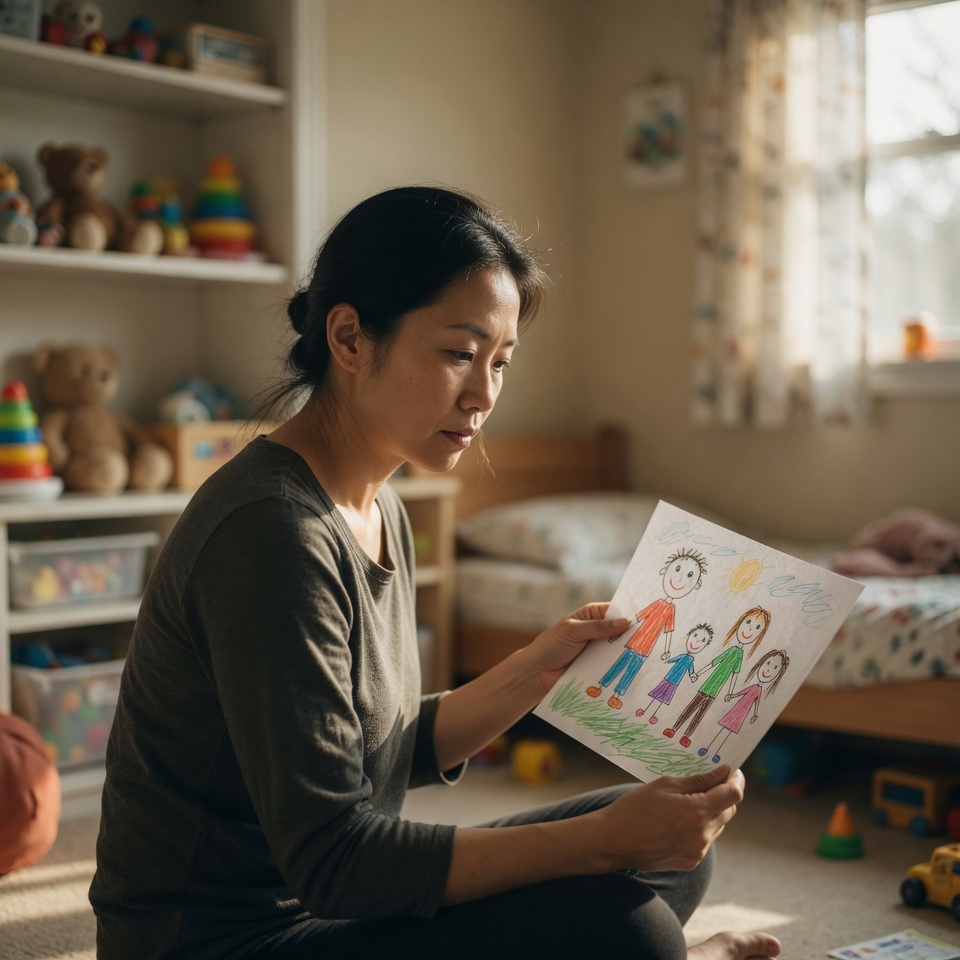
Estrangement. A child who has walked away. A parent who is unreachable. A sibling who chose someone or something else. The relationship is ended — but the person is alive, which means the hope of reconciliation keeps the grief from fully closing. You are suspended between what was and what might still be, which is its own particular kind of suffering.
Addiction. Loving someone in active addiction is loving someone who is present and absent at the same time. The person you knew — before the addiction took hold — exists in memory. The person in front of you is someone else. And you love them both, which makes the grief complicated in ways that are almost impossible to explain.
A marriage that ends before it ends. The relationship that is over in every way that matters long before anyone signs anything. You grieve the marriage while still in it — the version of your life you thought you were building, the person you thought you were building it with.
All of these are grief. All of them count. None of them require anyone else's permission to feel.
Psalm 34:18 says God is close to the brokenhearted. It does not say He is close only to the brokenhearted whose loss fits into an accepted category. The broken heart qualifies. Whatever broke it.