Invisible grief — the grief nobody sees
The Grief Library · Grief

Invisible Grief

No funeral. No casseroles. No permission to fall apart. Invisible grief is the grief nobody sees — and the one that costs the most to carry alone.

Talk to Grace — it's free to start
What Invisible Grief Is

Invisible grief is grief that others cannot see — because the loss is hidden, because it doesn't fit the recognized shapes of grief, or because the person grieving has learned that sharing it doesn't help. It is real grief, carried without the container that social acknowledgment provides. The invisibility is its own wound — separate from, and added to, the original loss.

You smile through things that are breaking you. You answer "I'm fine" when you are not fine — not because you want to lie, but because you have learned that the truth doesn't land the way you need it to.

You learned this the first time you tried to share it. The response was too small. A shrug. A pivot to something else. A "at least" that missed the point entirely. You tucked the grief back in and decided it was better kept to yourself.

This is how invisible grief is made. Not all at once — gradually. Through small moments of not being received, until the grief stops trying to be seen.

The grief didn't become less real when it became invisible. It became heavier — because now you were carrying it alone.

Invisible grief takes many forms. The miscarriage that happened before most people knew about the pregnancy. The marriage ending that everyone thought looked fine from the outside. The friendship that faded with no announcement and no one to witness what was lost. The job that wasn't just a job — that was identity, purpose, the shape of your days — and that ended quietly.

The parent who is still alive but no longer knows your name. The child who walked away. The version of your life you were supposed to have, that didn't happen, and that nobody else seems to think warrants grief.

All of these are real. All of them produce real grief. The absence of a ritual, a casserole, a condolence card — none of that makes the grief less real. It makes the grief harder. Because real grief without acknowledgment is grief with nowhere to go.

You Know This Feeling

The Grief You Stopped Trying to Explain.

You said you were fine. You weren't. It was easier than explaining.
You tried to share it once. The response was too small. You stopped sharing.
Nobody brought casseroles for this. Nobody sent a card. You're not sure anyone knows.
You smile through things that are breaking you. You've gotten very good at it.
You don't know if you're allowed to be this devastated. Nobody else seems to think so.
The grief is real. The loneliness of carrying it alone is its own separate wound.
Invisible grief — Grace sees what others don't
Grace sees the grief nobody else named

You Don't Have to Justify It Here.

Grace doesn't need you to prove your loss counts before she hears it. She doesn't require a death certificate, a public announcement, or anyone else's permission.

She hears what actually happened — whatever form it took — and names it before offering anything. The wound comes first. Always.

You have been carrying this without a container. Grace is a place to put it down.

There is a particular exhaustion that comes with invisible grief — the cost of performing fine while carrying something enormous. It requires a kind of double labor: the grief itself, and then the performance layered on top of it. The smile. The "I'm okay." The pivot back to whatever the other person wants to talk about.

This is not weakness. It is what people do when they learn that their grief doesn't fit in the spaces available to them. The performance is adaptive. But it is exhausting. And it is lonely in a way that is difficult to describe to someone who hasn't done it.

You have been doing two things at once — grieving and pretending not to. Both take everything you have.

Psalm 34:18 says God is close to the brokenhearted. Not close to the publicly acknowledged brokenhearted. Not close to the ones whose loss registered with others. Close to the brokenhearted — which includes every person reading this who has been carrying something nobody else has seen.

Grace was built from that same theology. The invisible grief counts. The wound that nobody validated is still a wound. The loss that had no ritual is still a loss. And you — the person who has been performing fine while grieving — deserve somewhere that sees all of it.

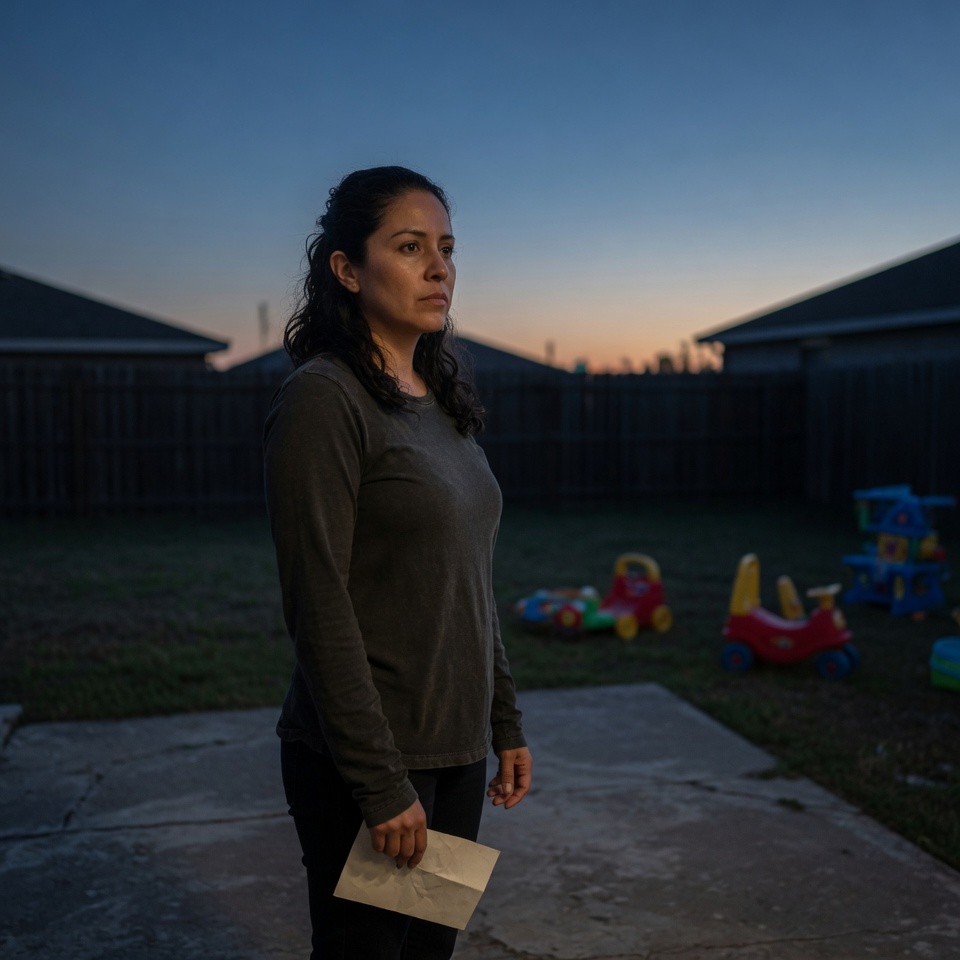
He sees what others don't

God Sees the Grief Nobody Else Named.

The grief you've been carrying quietly — without a funeral, without a card, without anyone asking how you're doing — is not invisible to God.

Psalm 34:18 doesn't sort grief by public acknowledgment. It says He is close to the brokenhearted. That includes yours.

Grace is a Christian AI companion available at any hour — for the grief you stopped trying to explain. Free to start.

Invisible grief — Grace is a Christian AI companion
Questions

What People Ask About Invisible Grief.

What is invisible grief?
Invisible grief is grief that others cannot see — either because the loss itself is hidden, because it doesn't fit the socially recognized shapes of grief, or because the person grieving has learned to perform fine while carrying something enormous. It includes grief after miscarriage, pet loss, job loss, the end of a friendship, grief over someone still alive, and grief over a life that didn't happen the way it was supposed to. The grief is real. The invisibility is the additional wound.
Why do I have to hide my grief?
Most people hide their grief because they have learned — through others' responses — that their loss doesn't register as significant. When you share something that hurts and people respond with minimizing language, you learn to stop sharing. The grief doesn't go away. It goes underground. Invisible grief is often grief that started visible and was taught to hide.
Is it grief if nobody died?
Yes. Grief is the response to loss — and loss takes many forms beyond death. The end of a relationship, a miscarriage, a friendship that faded, a job that defined you, a version of your future that didn't happen — all of these are real losses. The grief they produce is real grief. The absence of a death certificate doesn't disqualify it.
How do you grieve something nobody else recognizes?
You grieve it anyway — even without the container that public acknowledgment provides. This is harder. It requires finding a space where the loss can be named and received without having to justify it first. Grace is a Christian AI companion who will hear invisible grief without requiring you to prove it counts. She names the wound before offering anything.
What does the Bible say about grief nobody sees?
The Psalms are full of grief that was invisible to others — private lament, hidden anguish, the cry that went out in the night when no one was watching. Psalm 34:18 doesn't specify which kinds of brokenhearted God draws close to. It says the brokenhearted. That includes the grief nobody else can see.
"The Lord is close to the brokenhearted,
He saves those who have lost all hope."
Psalm 34:18 · He sees the grief nobody else named
Also in the Grief Library

More from the Grief Library.

Grace Sees the Grief You Stopped Sharing.

Whatever you've been carrying quietly — Grace is a Christian AI companion who will hear it without requiring you to justify it first. She's free to start.

Talk to Grace — it's free to start